JBS Reports Record Net Sales in the Second Quarter of 2026
10 | 08 | 2026

B20 suggestions highlighted in the summit document of the world's largest economies
21 | 11 | 2024

Four actions recommended by the B20 Sustainable Food Systems and Agriculture Task Force, the group representing business contributions, were included in the final version of the G20 document. The Leaders’ Declaration, addressing the summit’s priority themes, was unanimously approved on the first day of the meeting, Monday (18), in Rio de Janeiro.
The G20 reinforced its commitment to food security, highlighting agriculture’s central role in combating hunger, poverty, and climate challenges such as biodiversity loss and desertification. The group emphasized supporting developing countries in boosting sustainable production, reducing waste, and meeting the UN’s SDG 12.3 target.
The declaration also acknowledged global interdependence in food trade and the need to diversify supply chains to enhance resilience against external shocks. Additionally, it addressed fertilizer shortages, advocating for practices that improve soil health and reduce pollution.
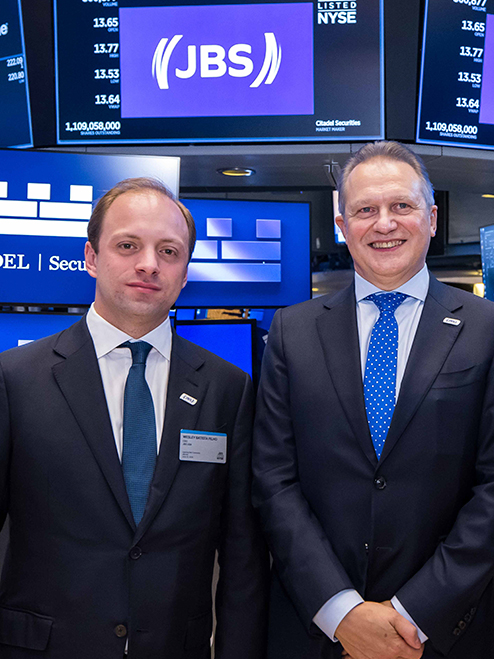
According to Gilberto Tomazoni, Chair of the B20 Food Systems Task Force and Global CEO of JBS, the G20 final document demonstrates that public and private stakeholders understand the main challenges and pathways to promote sustainable, balanced, and inclusive growth. “It is significant to see the G20 Leaders’ Declaration recognize the role of food systems as allies in fighting poverty and ending hunger while addressing climate change and biodiversity loss. Global leaders also saw as essential the three pathways proposed by the B20 Task Force: the need to increase on-farm productivity, ensure fair trade, and provide access to financing,” said Tomazoni.
Over six months, the Task Force brought together 139 individuals from diverse geographies, links in the production chain, and partners. The recommendations were developed to address food security and climate change challenges in an integrated manner. These proposals, created by top executives of global food and agricultural input companies, coordinated by Brazil’s National Confederation of Industry (CNI), align with the FAO’s State of Food Security and Nutrition in the World (SOFI 2024) report.
The Food Systems Task Force returned to the B20 in 2024 after a five-year absence. Below is a summary of the points incorporated by the G20:
Published by: JBS Brazil