JBS Reports Record Net Sales in the Second Quarter of 2026
10 | 08 | 2026

The platform enables the three most powerful chains of the bioeconomy in Brazil to be monitored through time and space in various regions
19 | 07 | 2023
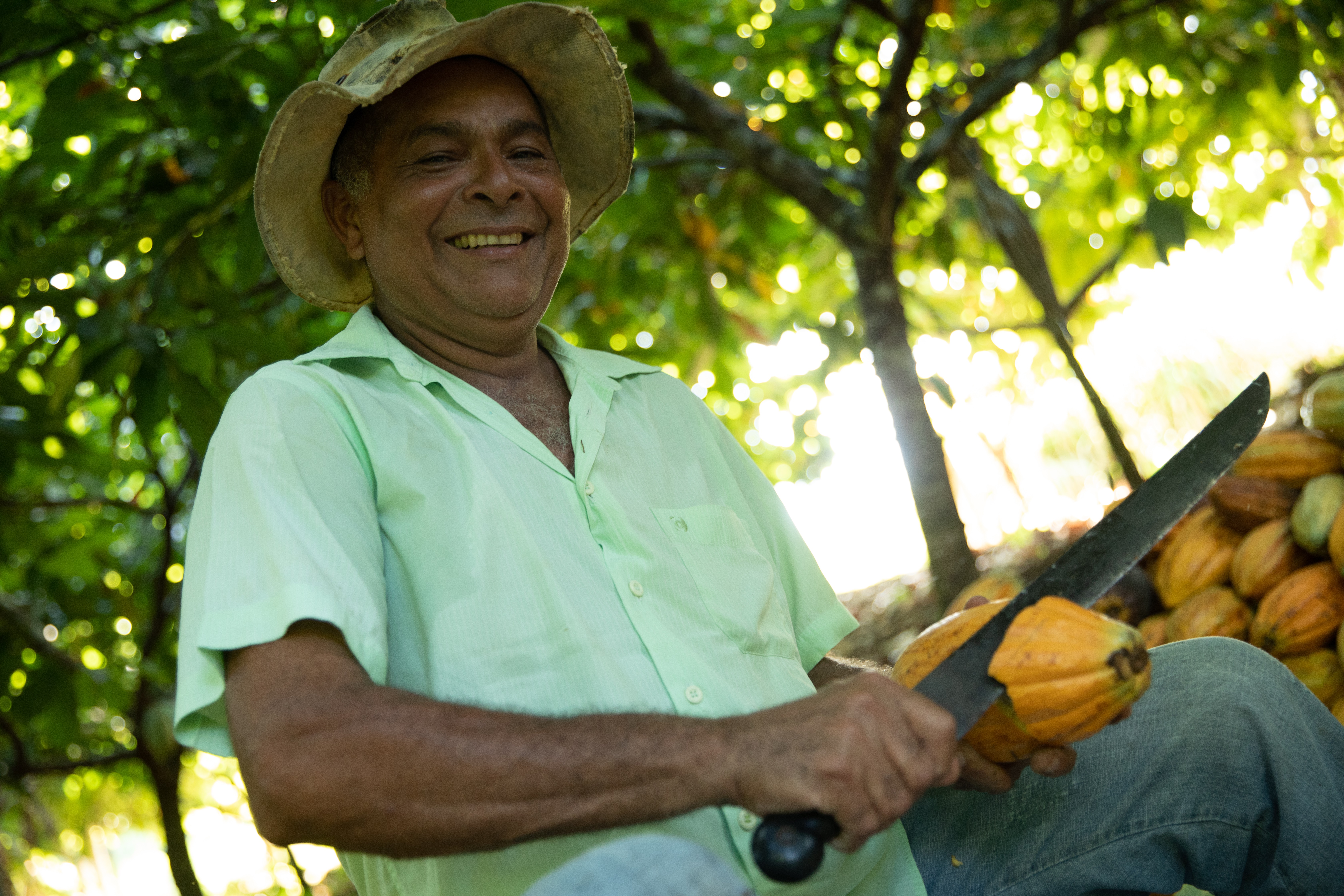
The Coalizão Brasil Clima, Florestas e Agricultura (the Brazilian Coalition on Climate, Forests and Agriculture) and the “Uma Concertação pela Amazônia” (A Concertation for the Amazon) initiative, with the financial support of the JBS Fund for the Amazon, have created a data dashboard that collates and integrates information about the three major production chains of the Amazon forest: açaí, cocoa and babaçu.
The data base for the initiative was put together by drawing on statistics collated over 35 years between 1986 and 2021 by the Brazilian Census Bureau (IBGE). The panel gives an overview of the value of the production, the quantity in tons and regions.
It is also possible to compare the evolution of the various products of the bioeconomy in Brazil over time. The survey of the data sources began in 2022 when the organizations decided to map information about Brazilian biodiversity, focusing on scalable chains and added value bottlenecks. It arose from the need for defragmentation of the debates surrounding the bioeconomy which are also quite often sectorized and difficult to measure and analyse.
The dashboard is one of the fronts listed by the organizations in 2022. Two others provide for cooperation in creating inclusive public policies that promote opportunities and encourage innovation; and the strengthening of programs that foster research into implementing regional hubs of excellence designed for the production of knowledge on biodiversity and native ecosystems.
According to Eduardo Roxo, coleader of the Bioeconomy Task Force of the Brazilian Coalition on Climate, Forests and Agriculture, a national policy focused on this specific sector is important for leveraging it. “If it is to exist, it is essential that we have compiled data, primarily when it gains scale. The dashboard shows the value of this economy and can collaborate in creating more targeted public policies”.
For Adriana Barros of the Bioeconomy Working Group of A Concertation for the Amazon, having access to the integration of data will be a positive leap forward for expanding the potential for the sustainable development of clusters and production processes of the various chains. “The bioeconomy has been a recurring issue in several segments and our intention is to add more value and strengthen this market which can go a long way to being a sustainable solution for the various Brazilian biomes”, she says.
Andrea Azevedo, director of the JBS Fund for the Amazon, stresses that the bioeconomy is a major opportunity for Brazil and, at the same time, a huge challenge. “We know the sector can create jobs and income and take a greater share of the country’s GDP, but to do so we have to look at the numbers from an extensive data that can cover the key production chains.”
Published by: JBS Brazil