JBS Reports Record Net Sales in the Second Quarter of 2026
10 | 08 | 2026

The aim of the seven initiatives is to foster the bioeconomy and the preservation of the Amazon, involving traditional and indigenous communities
10 | 09 | 2022
The JBS Fund for the Amazon (FJBSA) has chosen seven initiative that will receive financial support to foster actions for preserving the Amazon forest, improve the quality of life of the traditional and indigenous communities and incentivize the scientific and technological development of the biome. In all, R$ 60 million have been earmarked for 12 projects supported by the Fund during its two-year existence. The new initiatives will focus on science and technology.
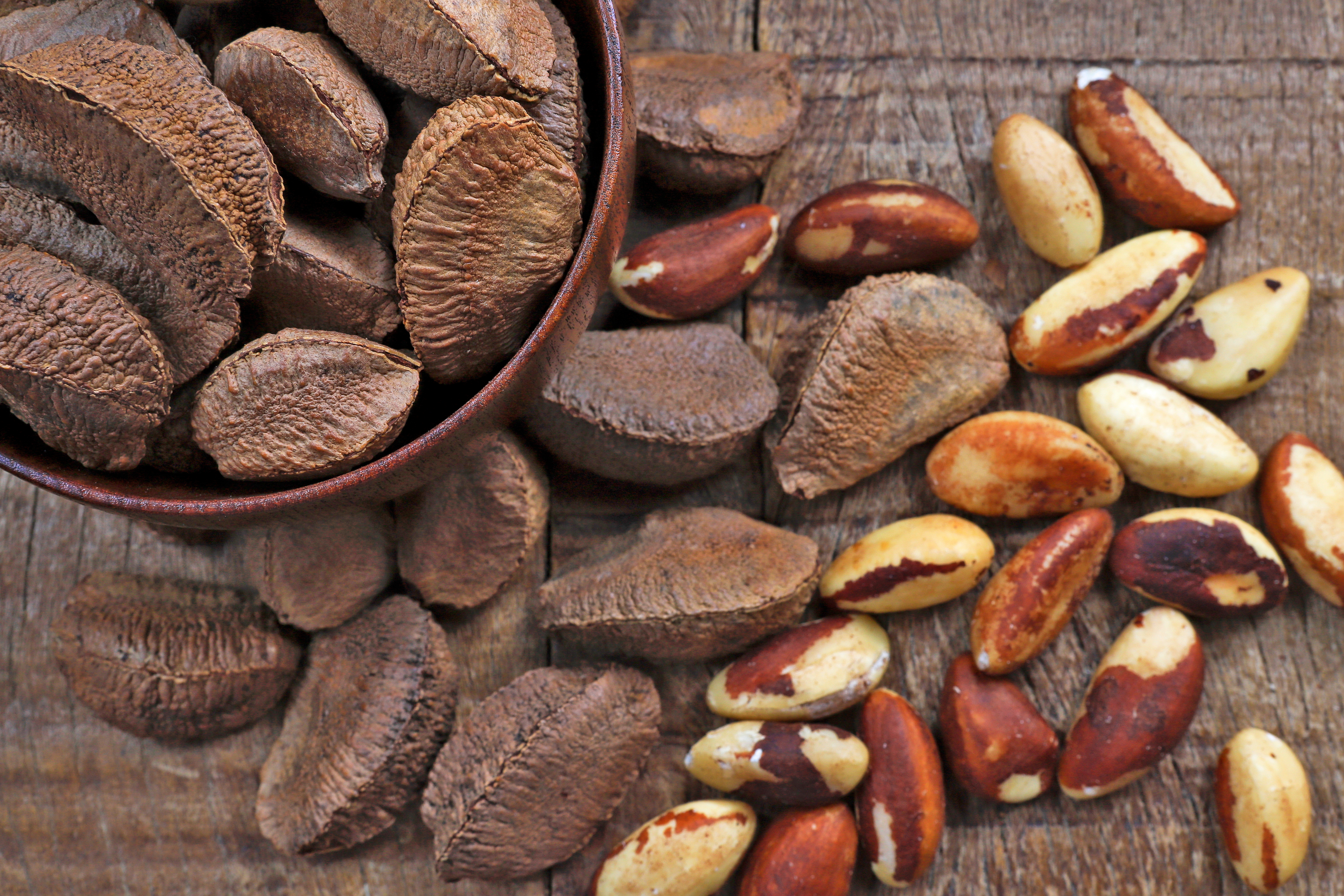
The chosen projects include promoting scientific research and actions that foster the bioeconomy, involving the production chains of cashew nuts, cupuaçu and mushrooms. This is the first time that the Fund is supporting a project on indigenous lands with the focus on developing the Brazil nut chain, the handicraft production and the creation of a forest seed network.
“The new projects supported encourage the study and development of ingredients and products based on the biodiversity of the Amazon biome, generating business for the region”, points out Joanita Maestri Karoleski, president of the JBS Fund for the Amazon. “These innovative projects will undoubtedly make a massive contribution to the Amazon production chain and the local communities”, added Andrea Azevedo, Programs and Projects Director of the FJBSA.
The technical team analyzed more than 100 proposals based on objective criteria for choosing the initiatives. The projects were also submitted to a strategic analysis by the Consultative Council and an in-depth verification of the work proposal by the Technical Committee. Both committees are part of the external governance of the JBS Fund for the Amazon, and once this rite has been concluded, a decision is taken about the actions to be supported.
The FJBSA operates within the logic of innovation as the purpose, in order words, the innovation must meet the demands of the communities in an inclusive and participative manner. One example of this is the support for the development of bioplastic (green polypropylene). The aim of the initiative is to scale up an existing study in which the waste from Brazil nut shells will be processed within the community itself through its cooperatives or associations and forwarded to industries for insertion into the composition of the plastic.
The study, a joint development with institutes and universities in the Amazon region, seeks to indicate the viable proportion of the quantity of raw materials that will be biodegradable, thereby reducing the use of fossil fuel to produce them. A plant located in the Manaus Free Zone is willing to test this result immediately on an industrial scale. Thus, the project aims to diminish the impact of the plastic chain on the environment and, at the same time, generate income for the community by taking advantage of a product that is usually discarded. In addition, it contributes to developing in the Amazon a biodegradable product that fosters the circular economy and community-based businesses.
Two of the seven new initiatives will be partnerships with Embrapa resulting from the first cycle of investments by the Fund – in 2021, the FBJSA and the state-owned entity signed a General Cooperation Agreement. One of these will be dedicated to the development of artificial intelligence applied to forestry automation and the spatialization of carbon in order to understand its dynamic in different uses of land. The other line of study will focus on social innovation and will be undertaken with the Carauari Rural Producers Association (ASPROC) to boost the results of the “Fair and Sustainable Fishing” project which the Fund approved last year.
Here are the seven new projects approved:
Sustainable cocoa corridor – The Cocoa Corridor initiative is to create a cluster model in the southwestern region of Pará. Currently there are several ongoing projects under the management of different organizations operating locally. The aim of the initiative is to put together a business plan for a Cocoa Corridor pilot that integrates the initiatives.
This would be the first step to creating the world’s first Cocoa Corridor, combining forest conservation and restoration. Once the model is validated, within 10 years the project intends to achieve 45,000 hectares of restored areas using agroforestry systems in Southwestern Pará; to provide for an increase in direct income of the order of 30% for the farmers through improved productivity; and to generate R$ 686 million in added value, including the creation of 60,000 jobs and the formalization of the chain. Lastly, to increase domestic cocoa production by up to 90,000 tons.
The Fund’s partner in this project is Systemiq.
InovAmazônia – Amazon Ingredients – The project will finance research projects to support the development of new products and/or ingredients from the biodiversity of the Amazon, which can be used in the plant-based food industry.
In all, the FJBSA will allocate financing to six studies whose aim is to evaluate the potential for using native species of the Amazon Biome, like cupuaçu, guaraná, Brazil nuts, babaçu, and mushrooms, among others, for developing new ingredients and products. Priority will be given to research projects that result in innovative technological processes, involve local communities and make use of waste from the existing production chains in order to add value to those chains in accordance with the premises of the circular economy.
In this project, the Fund is partnering with The Good Food Institute (GFI), a not-for-profit institution that is working to accelerate transformation in the food production chain to make it more sustainable, safe and fair.
Mãos Indígenas, Floresta em Pé – Aims to bolster the bioeconomy on indigenous lands by boosting sociobiodiversity value chains and by encouraging women and young people to play a leading role in strengthening governance in indigenous territories. The aim of the project is to promote the conservation of 4,5 million hectares of forests located on 16 indigenous lands in central southern Rondônia and northwestern Mato Grosso. Around 650 families are set to benefit from the project, with an annual increase of 5% in their family incomes over 18 months through the bioeconomy. Also expected is an increase of around 20% in the production of the three chains (cashew nuts, handicrafts and forest seeds).
The Fund is partnering in this project with Forest Trends, a not-for-profit organization that has been active for over 18 years among the indigenous people, Greendata, a hub consisting of 20 associates engaged in the development of projects in the Amazon, and Ecoporé, a Brazilian organization working to balance socioeconomic interests with the conservation of the Amazon biodiversity.
Bioplástico da Amazônia – This project addresses the need to develop a sustainable material (biocompost) to substitute polypropylene (PP) partially and fully by taking advantage of Amazon fibers such as sawdust and Brazil nut shells and casings. The objective is to stimulate the forest economy and guarantee its preservation, while at the same time generating income for the communities in the region and contributing to foster innovation in the Manaus Industrial Complex .
The Fund’s partners in this project are WTT, which supports scientists and innovators in developing science-and-technology-based solutions for the challenges of sustainable development, and Idesam, a non-governmental organization operating for over 15 years in the Amazon to foster a new inclusive and sustainable economy, and TUTIPLAST, specializing in promoting injection plastic solutions. The academic institutions involved in the study are the State University of the Amazon (UEA), the Federal University of the Amazon (UFAM) and the Federal University of Paraná (UFPR).
Proteínas da Amazônia – an applied research project that seeks to develop alternatives for extracting proteins (protein extracts) from cupuaçu and Brazil nut seeds for application in the food industry. The Fund will support the first phase of the initiative, which consists of a preliminary technical and economic feasibility evaluation of the processes, including proof of concept and a technical and economic viability study. The pilot will be developed at the RECA (Consortium and Densified Economic Reforestation) Cooperative at Nova Califórnia (RO). The Fund is partnering with Senai and Embrapii.
Sustainable Pirarucu Project – Support for the “Fair and Sustainable Fishing” Project by training multiplier technicians and the acquisition of equipment for courses focused on good processing practices and diversification of the ASPROC production line. It will also develop a diagnosis of water usage and waste generation within the fishing industry, identifying critical points and channeling actions to reduce water demand. This project will be implemented by another branch of Embrapa: Fishing and Aquiculture, Livestock Farming in the Southeast and Eastern Amazon. The activities will involve the engagement and support of ASPROC.
Geoflora – Forest Automation and Carbon Specialization – the study aims to understand the dynamic of carbon in different uses of land by using leading-edge technology to monitor greenhouse gas emissions and deforestation, while also recognizing the value of environmental assets and carbon credits, among other uses, serving as a structuring element for the restoration chain. The project will be in partnership with Embrapa Acre.
Published by: JBS Brazil