JBS Reports Record Net Sales in the Second Quarter of 2026
10 | 08 | 2026

Company Unveils Program to Support Farmers in Livestock Tagging
23 | 01 | 2025
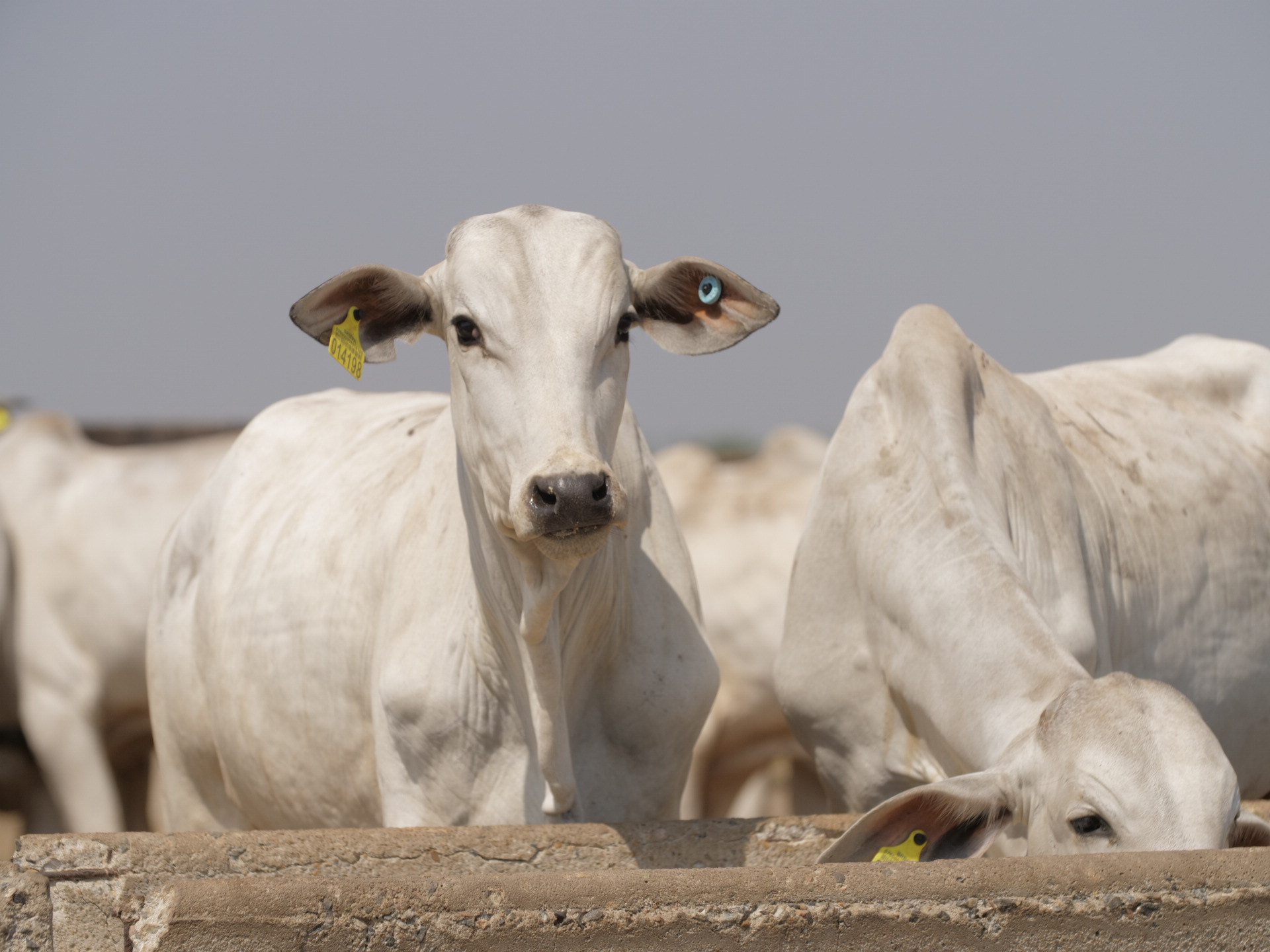
JBS, in partnership with key stakeholders, has announced the donation of 3 million livestock tags to enhance cattle traceability in Pará, Brazil. Additionally, the company launched a program designed to assist farmers with the application of the tags. These initiatives aim to scale up a groundbreaking project led by the State of Pará with the potential to revolutionize livestock management in Brazil. The goal: to track every head of cattle in Pará — the state with Brazil’s second-largest herd—by the end of 2026.
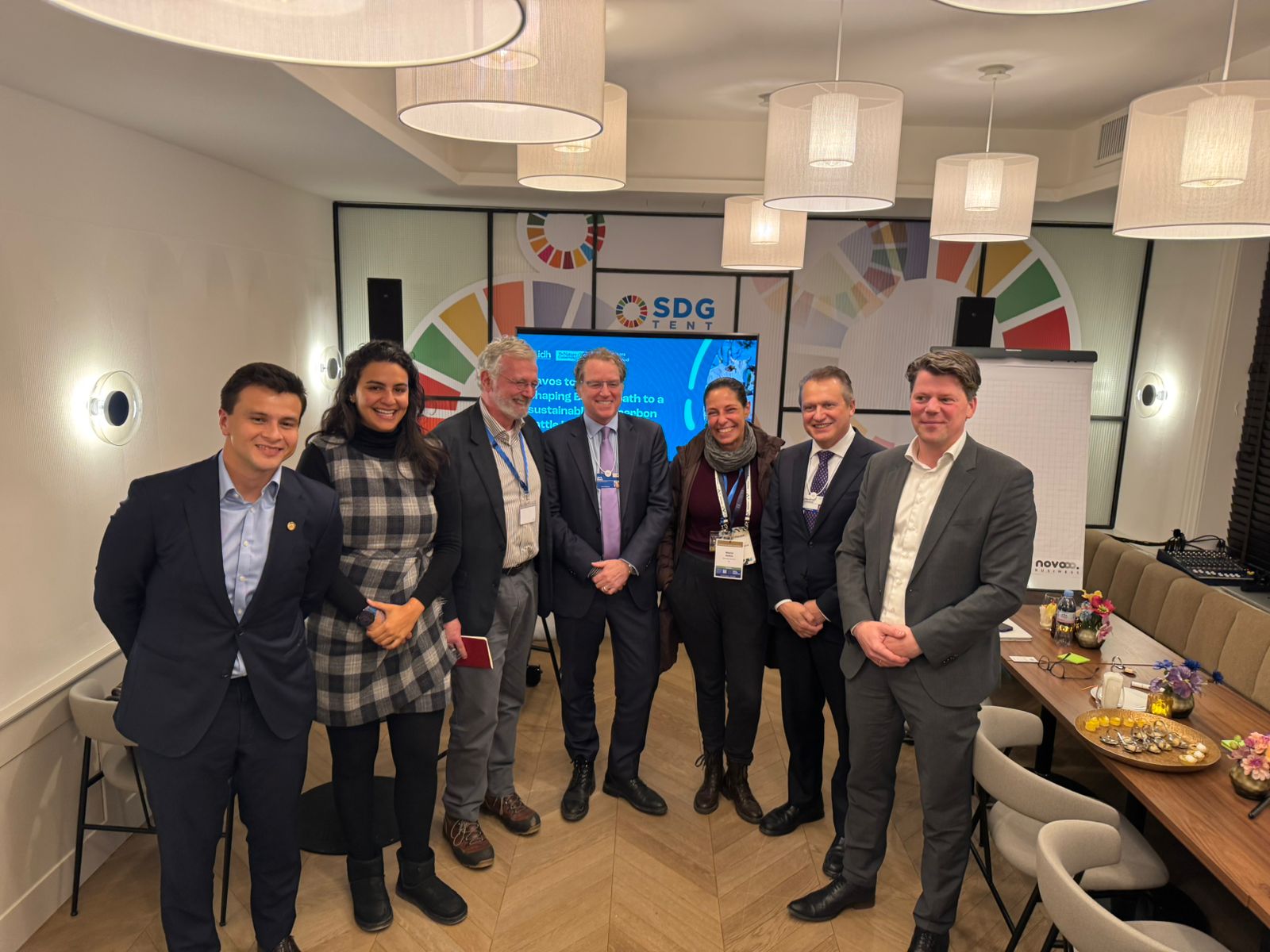
The announcement was made during the panel discussion, “From Davos to Belém: Defining Brazil’s Path to a Sustainable, Low-Carbon Cattle Industry,” at the World Economic Forum Annual Meeting in Davos. The program, already delivering significant results in its first year, represents a collaborative effort between government, producers, civil society, and industry leaders. “Together, we are agents of transformation across the supply chain,” said Gilberto Tomazoni, JBS Global CEO.
Out of the 3 million tags, 2 million are allocated exclusively to small-scale producers, addressing half of their projected 2025 needs in the state. Of this total, 2 million tags will be donated by coalition partner The Nature Conservancy (TNC) using funds from the Bezos Earth Fund, who committed at COP28 to support the state in launching the program, with the remaining tags provided by JBS.
Additionally, JBS is introducing the “JBS Accelerator” initiative to support indirect suppliers in adopting traceability practices. This initiative will distribute 1 million additional tags and provide comprehensive support services throughout 2025. JBS teams, along with partners, will identify and visit farms, where trained and certified traceability operators will assist with tag application in line with Pará’s state program requirements.
The Pará initiative was first introduced by Governor Helder Barbalho during COP28 in Dubai in December 2023. It is managed by a working group comprising representatives from government, industry, producers, and civil society, with JBS actively involved since its inception.
In 2024, JBS conducted a 28,000-head tagging pilot program in its Marabá and Redenção facilities. This pilot helped evaluate the technology and ensure compliance with animal transit requirements set by the working group. Insights from the pilot have been shared with coalition partners to support large-scale implementation.
JBS also contributed to the establishment of a training program for traceability operators, ensuring accurate tag readings at farms, processing facilities, and animal transit points.
The broader program includes technical assistance and skills development for rural producers. Through its Green Offices, launched in 2021, JBS has already supported the environmental compliance of over 15,000 farms in the Amazon region, including more than 1,000 in Pará. These efforts have resulted in commitments to restore 6,500 hectares of forest.
In 2024, JBS expanded its support services by introducing virtual Green Offices, enabling farmers to access assistance via email, phone, or WhatsApp from anywhere in Brazil.
Enhancing Transparency in Brazil’s Agriculture Sector
In December 2024, Brazil’s Ministry of Agriculture unveiled the National Plan for Individual Identification of Cattle and Buffalo and the Agro Brasil+ Sustentável platform.
This platform integrates multiple government databases, allowing producers to share detailed information on origin, production methods, sustainability practices, and certifications. Buyers, including banks and agribusinesses, can access this data to verify environmental compliance across the supply chain—at no additional cost.
During the event, Tomazoni announced JBS’s commitment to adopting these new tools across its supply chain, reinforcing its dedication to sustainability and transparency in Brazilian agriculture.
Published by: JBS Brazil