JBS Reports Record Net Sales in the Second Quarter of 2026
10 | 08 | 2026

SAF can reduce carbon emissions in commercial flights by up to 70
24 | 07 | 2024
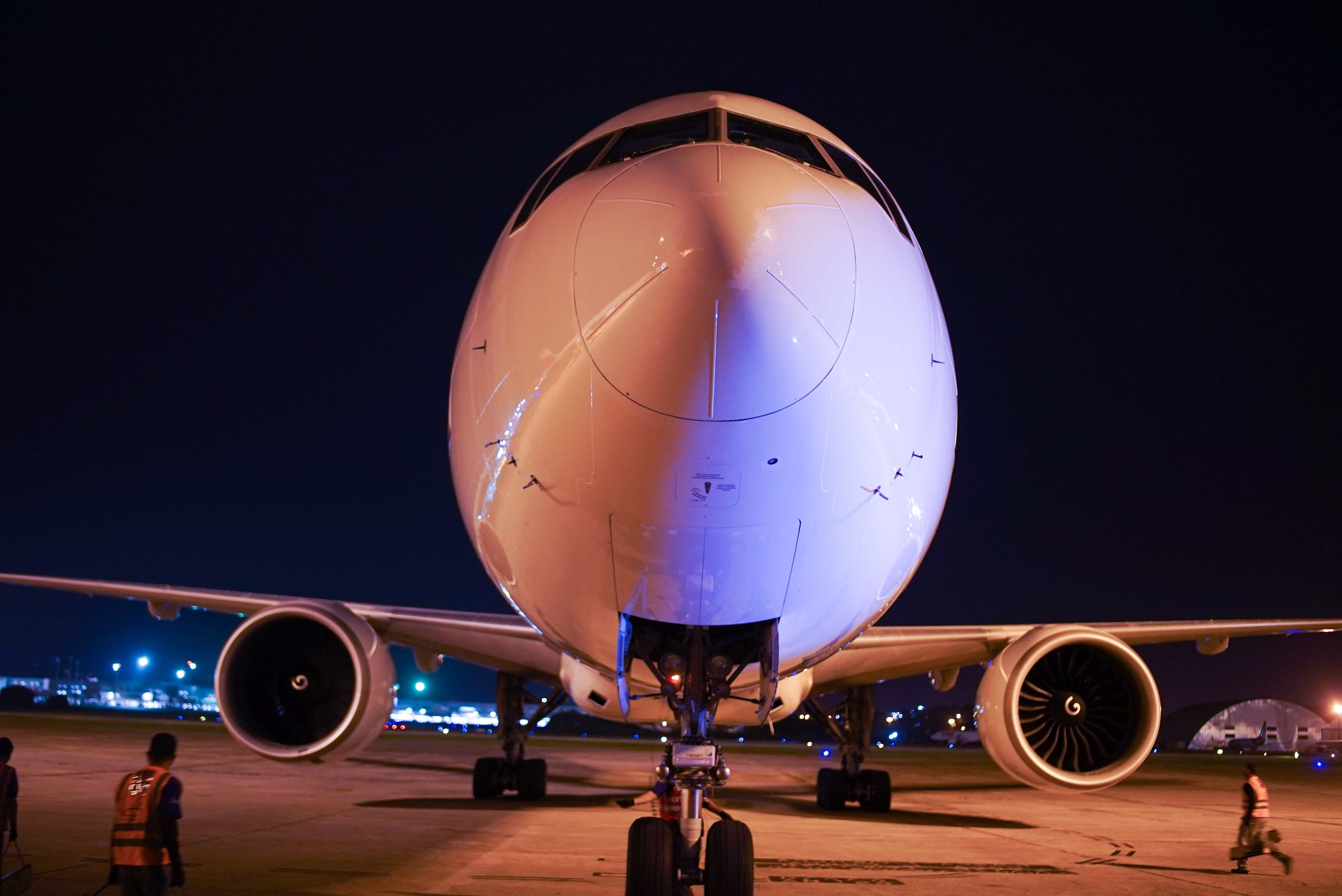
Beef tallow and pork grease from JBS operations in the United States, Canada, and Australia is being transformed into low carbon intensity fuels for the transportation and shipping sectors. In the past two years, JBS has directed 1.2 million tons of human inedible animal residuals towards the production Sustainable Aviation Fuel (SAF) and other renewable fuels. In 2022, JBS facilities in the United States, Australia, and Canada marketed approximately 465,000 tons of tallow and grease to the renewable fuel industry. In 2023, the company’s operations accounted for over 700,000 tons.
SAF presents itself as a climate friendly alternative to fossil fuel, as it can reduce carbon emissions by up to 70% and can be used as a mixture of up to 50% in the fossil based jet fuel tank used in commercial aircraft.
For Jason Weller, JBS’s global CSO, the initiative reinforces the company’s commitment to responsible waste management – and to promoting the circular economy in its operations. “The aviation sector was historically challenged in decarbonizing since they depend on fossil fuel. By repurposing human inedible animal residuals, we contribute to the environment and help this critical sector in their decarbonization process,” he says.
In Brazil, Friboi has already begun studies to test the feasibility of supplying residual animal products for aviation fuel production.
Fuel for ships and trucks
The shipping sector shares the same challenge to reduce their GHG emissions.
In Brazil, Biopower, a JBS company responsible for biodiesel production, has subjected the biofuel to practical tests. A truck from the Dutch manufacturer DAF already uses B100 with the aim of proving the quality of the biofuel as an important substitute for the sector. The truck has already surpassed 120,000 km of use. Fueled exclusively with biodiesel produced by Biopower, the result showed that the vehicle fueled with 100% biodiesel (B100) had performance equivalent to diesel and emitted up to 80% less carbon dioxide.
The company was the first in the country to obtain authorization from the National Agency of Petroleum, Natural Gas, and Biofuels (ANP) to fuel JBS’s truck fleet. Located in the industrial complex of Lins, in the interior of São Paulo, the biopoint, as it is called, has two pumps dedicated exclusively to B100 and has the capacity to offer 30,000 liters of fuel.
Published by: JBS Brazil